The articles below cover some of the everyday topics that come up in our work with families. They are a practical, accessible starting point for deeper understanding.

Many children with autism have normal folate levels in their blood — yet their brains may be running significantly short. This disconnect has a name, it's more common than most families realise, and it's treatable.

When a child struggles to read, the instinct is to add more reading practice. But dyslexia is a neurological difference that involves the whole body — and the approaches that make the most difference often begin outside the classroom entirely.

Food chaining is one of the most effective approaches for children with selective eating — because it works with what they already accept, not against it. Here's how it works and how to start at home.
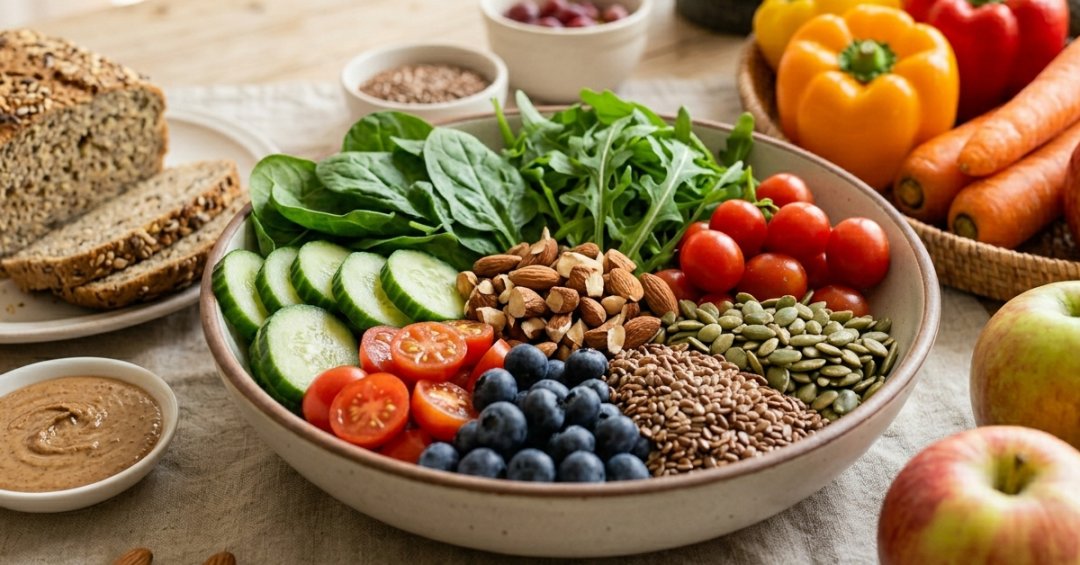
The GFCF diet is one of the most discussed dietary approaches for children with Autism. Here's an honest look at what it involves, the reasoning behind it, and what to consider before deciding if it's worth trying.

Digestive problems, mood swings, poor sleep, difficulty focusing — in children with Autism, these often aren't separate issues. They may all trace back to the same place: the gut.

An easy-to-use stool test can reveal the surprisingly complex landscape of your child's gut — the balance of bacteria, digestive function, inflammation, and whether the gut lining itself is compromised. Here's what it measures and why it matters.

If you've been cleaning up your child's diet and still not seeing the changes you hoped for, corn might be part of the reason — disguised under names you'd never recognize on a label.
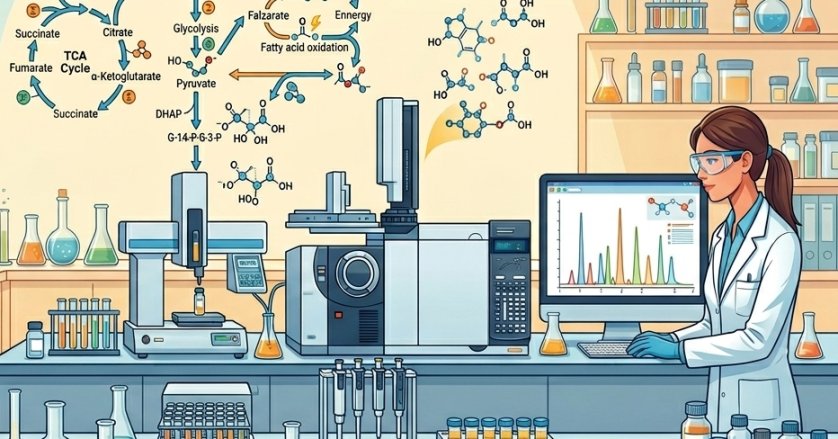
Standard blood tests often come back normal — yet something is clearly off. The Organic Acid Test looks deeper, measuring over 70 markers of how your child's body is actually functioning at a cellular level.

Food refusal in children with Autism isn't stubbornness or bad habits. It's rooted in real sensory, neurological, and medical causes — and understanding that changes everything about how you approach it.
We value your privacy
Essential cookies keep this website working. With your permission, we also use Google Analytics to measure how the site is used. You can change your choice at any time using "Cookie settings" in the footer.